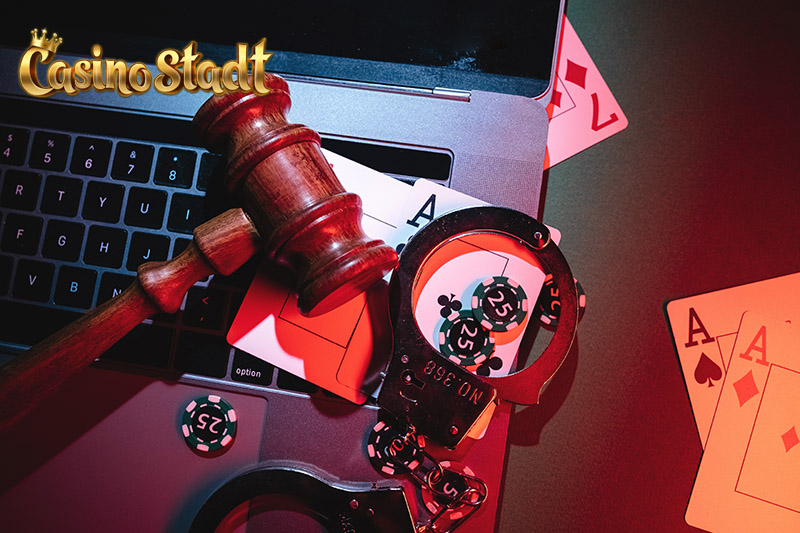
A government-led push is putting the heat on unlicensed gambling—with banks now warning customers, and new laws giving prosecutors sharper teeth.
Bank Alerts Are Just the Beginning
Turkey’s Justice Ministry isn’t pulling punches in its latest offensive against illegal gambling. Banks across the country—including heavyweights like Ziraat Bankası, Türkiye İş, and Garanti BBVA—are now directly notifying customers that accounts involved in unlicensed betting activity could face serious consequences. These warnings aren’t just PR—they’re backed by new laws that expand prosecutorial power and tighten the financial net around the illegal betting economy.
The shift comes after the December 15 approval of the 11th Judicial Package, a sweeping legal update that lets authorities freeze accounts, suspend operations, and seize assets linked to gambling-related financial crime. Digital wallets and mobile payment platforms are next in line, facing the same compliance standards as traditional banks.
MASAK Takes the Wheel on Enforcement
Turkey’s Financial Crimes Investigation Board (MASAK) is leading the charge, coordinating with prosecutors and the Interior Ministry to track shady payment flows. This includes scrutinizing bank transfers, third-party processors, and crypto wallets. Justice Minister Yılmaz Tunç has emphasized the need for speed—financial data must be handed over within 10 days of a request, or banks could face fines or even criminal charges against their executives.
In December, authorities cracked a major illegal gambling network, arresting 42 suspects and freezing crypto and bank assets tied to over 6 billion lira in transactions. The message is clear: illegal betting is no longer being treated as a fringe problem—it’s now a priority-level organized crime issue.
Media Firms, Too, Are Feeling the Squeeze
The crackdown isn’t limited to finance. GAIN Medya, part of Anahat Holding, was swept into a broader investigation alleging money laundering, organized crime, and links to unlicensed betting. Top execs were arrested, and seven connected companies were handed over to state trustees. The state also seized a range of assets, from corporate accounts to physical property. For the first time in this fight, enforcement has stepped squarely into national media territory.
Cross-Border Focus Looms Ahead of 2026
The government isn’t stopping at Turkey’s borders. With the next general election on the horizon, Tunç and President Erdoğan are setting the stage for international cooperation targeting gambling hubs in places like Cyprus, Georgia, and Armenia—jurisdictions Turkish authorities claim are harboring sites that cater to local players.
The government has made it clear this won’t be a one-and-done initiative. More legal tweaks are expected to keep pressure on the illegal sector through 2026. And while the banks may be the public face of this campaign, the average online gambler is now firmly in the government’s sights.