An extra month on the clock could reshape the future of iGaming in South Africa.
Tax Plan Sparks Heated Debate
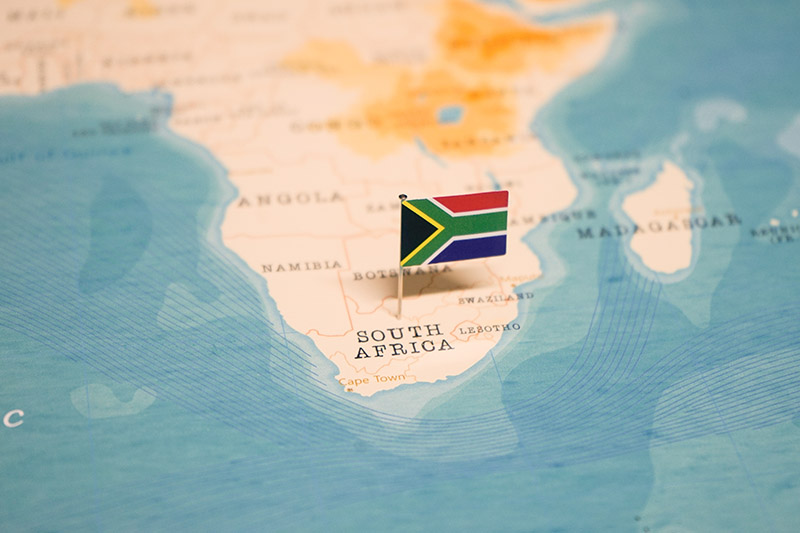
South Africa’s National Treasury has extended its consultation period on a proposed remote gambling tax, pushing the deadline from January 30 to February 27. The move gives industry stakeholders more time to respond to a sweeping plan that could finally crack open the door to regulated online casino gaming.
First announced in November, the proposal sets out a 20% tax on gross gambling revenue (GGR) from online gambling—stacked on top of existing provincial taxes ranging from 6% to 9%. If passed, the effective tax burden could reach as high as 29%, depending on the province.
One System to Rule Them All?
Beyond the rate itself, the most controversial part of the proposal is its aim to centralise tax collection. Currently, gambling is regulated at the provincial level in South Africa, resulting in a patchwork of rules that industry insiders say make it harder to keep illegal operators at bay. A national system, supporters argue, would level the playing field and create a clearer framework for both enforcement and growth.
Will This Finally Legalise iGaming?
For online casino players, the more intriguing angle is what this tax shift could trigger. While online sports betting and horse racing are legal, iGaming has technically been off-limits since the National Gambling Act of 2004. A 2008 amendment intended to regulate online casinos stalled and has never been fully enacted.
But the new tax plan explicitly includes “interactive gambling” in its scope, hinting that the government may be ready to revisit—and potentially revive—those long-dormant reforms. That’s a big deal. Bringing iGaming into the fold would allow the state to impose player protections and formal oversight, rather than leaving online gamblers to fend for themselves in unregulated offshore markets.
Social Harm or Missed Opportunity?
Authorities say the surge in online gambling—and the potential for related harms—has made the need for regulation more urgent. “Advances in technology have made online gambling more accessible… It transcends provincial boundaries and cannot be realistically and fully administered at a provincial level,” the proposal notes.
The Treasury argues that while casual gambling may not pose public costs, problem gambling does—and the state has a duty to respond.
What’s Next?
Operators and industry groups now have until February 27 to submit their feedback. If the tax plan is approved in its current form, it won’t just mean higher taxes—it could be the moment South Africa’s iGaming sector finally gets pulled out of legal limbo.
For the average online player, that could mean safer options, better protections, and—depending on how reform plays out—more games legally on offer than ever before.