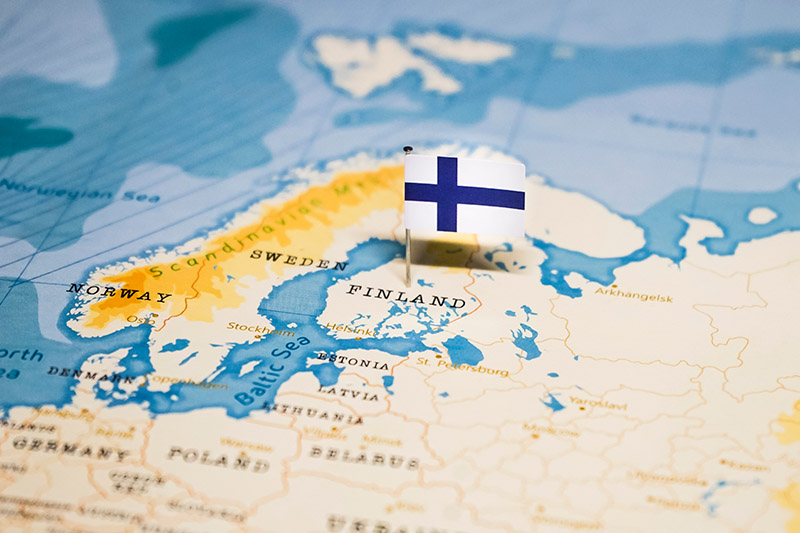
Finland is officially ending Veikkaus’ long-standing grip on online gambling, clearing the way for licensed competition starting in July 2027.
From One to Many: What’s Changing
The ink is dry. President Alexander Stubb has signed off on Finland’s new Gambling Act, and with it comes a major shift: online betting, slots, and casino games will no longer be the sole domain of Veikkaus, the state-owned operator. Instead, licensed private operators will be able to enter the market starting in 2027.
But not everything’s up for grabs. Veikkaus isn’t going anywhere—it’ll retain exclusive control over lotteries, scratch cards, and land-based slot machines. Think of it as a two-tiered system: the state keeps the analog realm and luck-based games, while skill and strategy-based online products open to competition.
License Applications Open in 2026
Operators won’t have to wait long to throw their hat in the ring. From March 1, 2026, applications can be filed with the National Police Board. By July 1, 2027, the market officially opens, with oversight shifting to a new Supervisory Agency.
There’s also a B2B element to the reform: starting July 2028, licensed operators will only be able to work with software suppliers who also hold a Finnish license. It’s a move clearly aimed at boosting compliance—and revenue—within the local ecosystem.
One Market, Many Restrictions
While the market is opening, don’t mistake this for a free-for-all. Finland is rolling out tight consumer protection rules alongside liberalisation.
Age verification at sign-up is mandatory, and players must set daily and monthly deposit limits. A centralised self-exclusion system will cover all licensed sites, allowing players to block themselves entirely or by game type. Operators will be required to monitor player behaviour and intervene when risk indicators show up.
Every gambling account will also come with operator-specific transfer caps—so no pooling across sites to skirt the limits.
Marketing: Plenty of Red Tape
Traditional mass media gets a green light: TV, radio, newspapers, and official websites or social channels can be used for advertising—so long as it’s not interactive. But digital marketing is a different beast.
Influencer partnerships, direct phone marketing, and most forms of targeted online ads are banned. Ads must also steer clear of underage audiences, both in content and placement. Sponsorships tied to youth events or sports involving minors are also off-limits.
Every marketing piece must include info on the age limit, available harm-reduction tools, and license details—except in radio, where there’s an exception.
Experts Warn: Digital Marketing Rules May Backfire
Not everyone is convinced the advertising framework makes sense. Antti Koivula, Chief Compliance Officer at Hippos ATG, and Jari Vähänen from The Finnish Gambling Consultants argue that the government may be cutting off its nose to spite its face.
They say restricting digital marketing while allowing mass media ads creates two problems: first, it exposes vulnerable groups to untargeted campaigns; second, it leaves the digital space wide open for unlicensed operators to dominate.
“If legal operators can’t advertise where consumers actually are, channelisation will suffer—and the black market will thrive,” Koivula warned.
What’s Next?
The next big date is March 1, 2026, when license applications open. From there, the pressure’s on for Finland to draft clear secondary rules, particularly around marketing and software approvals.
For operators eyeing the Nordic market, Finland’s new framework offers real opportunity—but only for those ready to play by some tight rules. The door is open, but only just.