
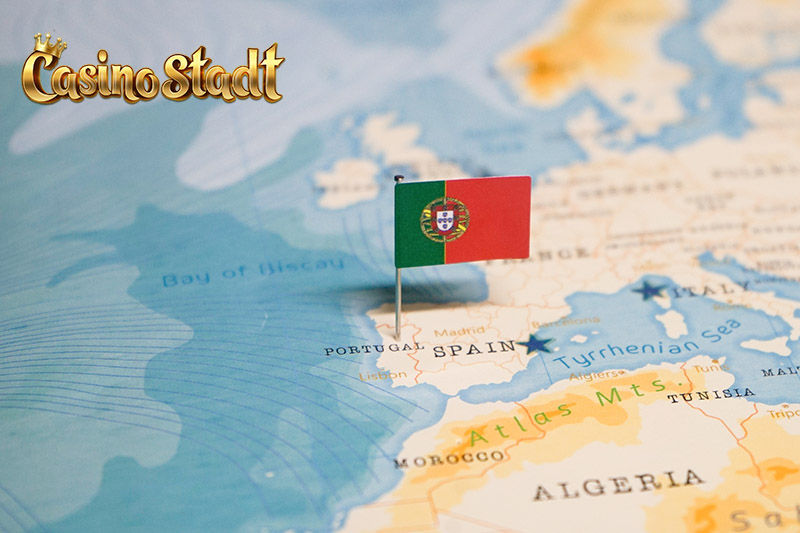
The Betway brand is officially out of Portugal. Super Group pulled the plug after the country’s gambling regulator, SRIJ, accepted the company’s request to cancel its local license—part of a broader effort to tighten focus on markets with better long-term returns.
Portugal Didn’t Make the Cut
Betway first entered Portugal in 2020, but despite joining the national iGaming association (APAJO) a year later and holding a license valid through 2026, Super Group chose to walk away early. A company spokesperson said the decision followed “a thorough review,” with resources now being redirected to “existing markets and growth areas with more potential.”
No other market exits have been confirmed, but the move mirrors a pattern: Portugal is the latest in a string of pullbacks from markets that no longer align with Super Group’s profitability benchmarks.
Selective Retreats, Not Random Moves
Portugal’s exit follows similar decisions in the US and India, both of which were tied to shifts in market dynamics or government policies. The US departure, completed last year, came despite forecasts of eventual profitability. Head of data and analytics Spencer McNally told investors that while a return was technically possible by 2027, it didn’t meet internal capital-return thresholds.
India was an even sharper cut. Super Group left in 2023 after a 28% turnover tax on online gambling made the market unworkable. While painful in the short term, the company has since treated that exit as a smart trade-off.
CEO Neal Menashe has been blunt in explaining the company’s logic: “You pay X to get a customer, you deliver Y in retention. If that math doesn’t work, you’re not going to make money.” Portugal, it seems, didn’t make that math work.
Where Things Are Working
Despite these withdrawals, Super Group’s core business in Europe is thriving. In Q3 2025, the company posted a 46% year-on-year revenue jump in the region. The UK surged by 71%, while Spain rose by 11%. Europe now delivers a fifth of Super Group’s quarterly revenue—up from 17% the year before.
That growth has helped cushion the revenue gap left by exits in Portugal, the US, and India. Super Group says it expects continued gains in its core markets to more than make up the difference.
Tax Pressure Adds to the Shuffle
Though not directly cited as a reason for the Portugal exit, the rising tax burden in the UK could be influencing Super Group’s broader positioning. A new 40% remote gaming duty kicks in this April, with a 25% general betting duty to follow in 2027. CFO Alinda van Wyk has already warned of a 6% EBITDA impact in 2026 but says mitigation strategies are in place to absorb the hit.
Still, shifting tax and regulatory conditions are clearly shaping where Super Group plants its flag—and where it pulls it up.
No Sentiment, Just Strategy
In recent comments, Menashe summed up the company’s mindset: “We are driven to make successful entries into markets, but we also know when to cut our losses.” That kind of decisiveness, paired with three decades of global experience, is allowing Super Group to pivot quickly when the numbers stop adding up.
For players in Portugal, Betway’s exit means fewer choices. For Super Group, it’s one more step in refining where the business makes sense—and where it doesn’t.